 Pin Recipe
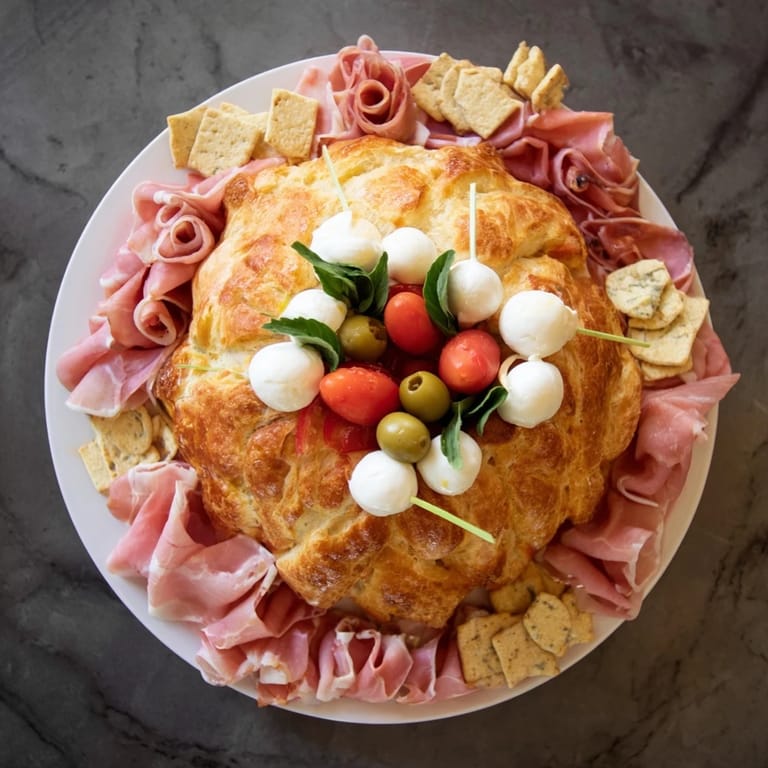
 I still remember the afternoon I discovered this fractal tree concept while sketching on a Sunday, coffee in hand, when it suddenly struck me—nature's branching patterns would make the most enchanting appetizer platter. My guests that evening couldn't believe how something so visually complex came together in just minutes, and it became the conversation starter before dinner even began.
I'll never forget making this for my sister's book club gathering. As each person reached for a piece, they'd trace the branches with their fingers, connecting the dots between the textures and flavors. By the end of the evening, it wasn't just appetizer—it became this shared experience where everyone noticed how thoughtfully it was arranged.
What's for Dinner Tonight? 🤔
Stop stressing. Get 10 fast recipes that actually work on busy nights.
Free. No spam. Just easy meals.
Ingredients
- 1 large breadstick (about 25–30 cm long): This is your anchor, your trunk. Choose one that's sturdy enough to hold its shape when surrounded by toppings, but not so thick it dominates the platter. It's the visual centerpiece that makes everything else make sense.
- 6 slices prosciutto or vegetarian deli slices: These become your first branches, and their salty richness is what makes people come back. They drape beautifully and add that elegant touch.
- 6 mini mozzarella balls or small cheese cubes: Creamy contrast is everything here. The mozzarella gives guests something soft and comforting between the crisp vegetables.
- 6 baby pickles or gherkins: The little flavor bombs. Their briny tang cuts through richness and makes the whole platter feel balanced.
- 12 cherry tomatoes, halved: Vivid red makes the second layer pop visually. I learned to pat them dry so they don't slip around—a small detail that changes everything.
- 12 thin cucumber slices: Cool, crisp, and the palette cleanser between bites. They also create beautiful translucent layers when arranged.
- 12 green or black olives: Choose ones you actually enjoy eating, because they're doing the aesthetic work here too. I prefer briny ones that have personality.
- 18 small basil leaves: Fresh basil is your signal that care went into this. The smallest leaves taper the pattern perfectly and release their fragrance as people reach.
- 18 roasted red pepper strips: Sweet, tender, and they catch the light beautifully. Buy them jarred if you need to save time—this is not where to compromise.
- 18 small crackers or crostini: The final delicate branches. I choose ones that are plain enough not to compete with the other flavors but sturdy enough to hold toppings if guests want to build bites.
Instructions
- Start with Your Anchor:
- Place that breadstick right in the center of your large platter. Stand back and look at it—this simple line is about to become a forest. Make sure it's positioned so you have room to radiate outward equally on all sides. This moment matters because everything spirals from here.
- Build Your First Branches:
- Now arrange those prosciutto slices, mozzarella balls, and baby pickles in pairs radiating outward from the breadstick. Think of them spreading like actual branches from a trunk—symmetrical, confident, and just a bit playful. I like to stagger them slightly so each pair catches the light differently. Let your eye guide you; this isn't about perfect geometry, it's about feeling like nature.
- Layer the Second Growth:
- Here's where it gets meditative. Take your cherry tomato halves, cucumber slices, and olives and arrange them as the second, smaller layer branching off from those first ingredients. They should taper outward, creating that sense of branches getting thinner as they extend. I arrange mine in little clusters of three, letting the colors intermix. This is the point where friends usually start saying 'oh, I see it now.'
- Finish with the Finest Twigs:
- The basil leaves, red pepper strips, and crackers become your smallest branches—the delicate tips of the tree. Fan them out to complete the fractal pattern. These smallest pieces should feel like the natural ending of the design, like the tree knows exactly where to stop growing.
- Perfect the Spacing:
- Step back and look at the whole thing. Adjust spacing so each branch feels distinct but connected. You're not aiming for rigid perfection—you're aiming for that moment when someone looks at it and feels something, when the organization feels natural rather than forced. Add space where it needs breathing room, tighten clusters where they feel loose.
- Present and Invite:
- Place this in the center of your table or bar. Tell people it's meant to be eaten—that they're not looking at a centerpiece, they're looking at an adventure. The best moment is when guests realize they can eat from the branches however they want, creating their own pathways through the platter.
 Pin Recipe
 The real magic happened when one guest told me this was the first appetizer platter they actually remembered from a party. Not because it was fancy or expensive, but because it asked them to participate, to notice, to play with their food a little. That's when I knew this wasn't just about arrangement—it was about creating a moment.
Making It Your Own
The beauty of the fractal structure is that it's infinitely flexible. Last month I made a vegetarian version for a friend with no prosciutto—I doubled the cheese and added thin grilled vegetable strips instead. It was just as stunning. The rule isn't about specific ingredients; it's about the principle of branching outward in decreasing sizes. Marinated artichokes work beautifully, sun-dried tomatoes add richness, and grilled zucchini strips create wonderful texture variety. Respect the vegetarian diet by celebrating what you're adding, not what you're removing. This is also where allergen-friendly versions shine—gluten-free crackers, plant-based cheeses, and dairy alternatives slot seamlessly into the design without compromising the visual impact.
The Flavor Architecture
While the fractal pattern is the star, the layered flavors create the story. The salty, rich prosciutto plays against cool, creamy mozzarella. The briny pickles and olives cut through everything with a necessary tang. Fresh basil and roasted peppers add sweetness and earthiness. Cucumber and tomato bring crispness and hydration. Every element is in conversation with the others. I learned this the hard way when I made a version with all bland ingredients once—the presentation was stunning but people lost interest after the first bite. Now I think of flavor as the second dimension of the fractal, with elements supporting and balancing each other as they branch outward.
Wine Pairing and Serving Wisdom
Serve this with a crisp, dry white wine or sparkling water—something that echoes the freshness of the vegetables and cuts through the richness of the cheese and cured meats. The beauty of this platter is that it works equally well as a casual appetizer for a dinner party or a sophisticated centerpiece for a cocktail hour. I've learned to drizzle a little quality olive oil over the vegetables right before serving and finish with cracked black pepper. It adds flavor but also a professional touch that makes people think you spent hours on this when really, you spent minutes. That's the real secret.
- Make sure your platter has enough room that pieces don't feel crowded—negative space makes the fractal pattern read clearly
- Serve at room temperature; cold platters lose flavor and the crackers can taste stale if they've been refrigerated
- If you're making this ahead, keep components separate and assemble within an hour of serving
 Pin Recipe
 This platter reminds me that food is as much about how we present it as what we put on it. It's become my go-to when I want to impress without stress, to create a moment that lingers in memory longer than the last bite.
Recipe FAQs
- → How do I create the fractal branch arrangement?
Place a breadstick in the platter’s center, then arrange cured meats, cheeses, and pickles radiating outward in decreasing sizes to mimic tree branches’s fractal pattern.
- → Can I make this without cured meats?
Yes, substitute with additional cheese slices or grilled vegetables for a vegetarian-friendly variation.
- → What types of cheeses work best?
Mini mozzarella balls and small cheese cubes provide ideal textures and sizes for layering on the branches.
- → How should I customize for nut allergies?
Avoid nuts entirely and focus on olives, pickles, and vegetable options to keep the platter safe and flavorful.
- → What is the best way to serve this platter?
Present it as a centerpiece allowing guests to pick small bites from the layered branches, ideal for casual gatherings or snacks.
- → Are there suggested beverage pairings?
Pair with a dry white wine or sparkling water to complement the salty and fresh flavors without overwhelming the palate.