 Pin Recipe
 Last summer, my neighbor knocked on the kitchen door with a basket of just-picked peas from her garden, and I had maybe twenty minutes before guests arrived. Instead of panicking, I grabbed a box of pasta and started throwing together what would become this salad—bright, tangy, and somehow more alive than anything I'd planned. The moment people tasted it, the conversation stopped, and that's when I knew this wasn't just a side dish, it was the thing everyone would remember.
I made this for a picnic once on an unexpectedly warm April afternoon, and someone actually asked me for the recipe while sitting on a blanket with the container balanced on their lap. That's when you know a dish works—when people want to recreate the exact moment they're having while eating it.
What's for Dinner Tonight? 🤔
Stop stressing. Get 10 fast recipes that actually work on busy nights.
Free. No spam. Just easy meals.
Ingredients
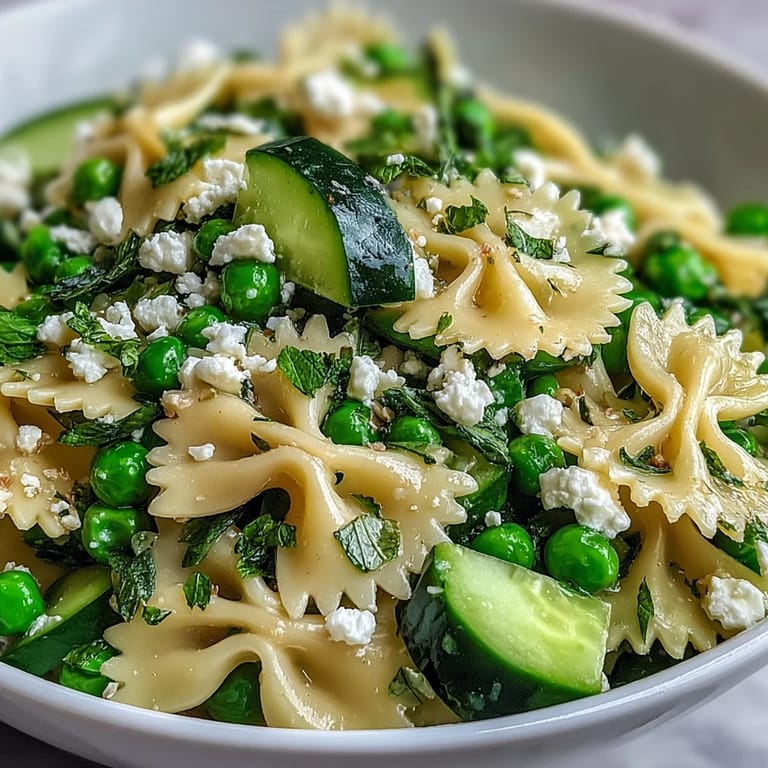
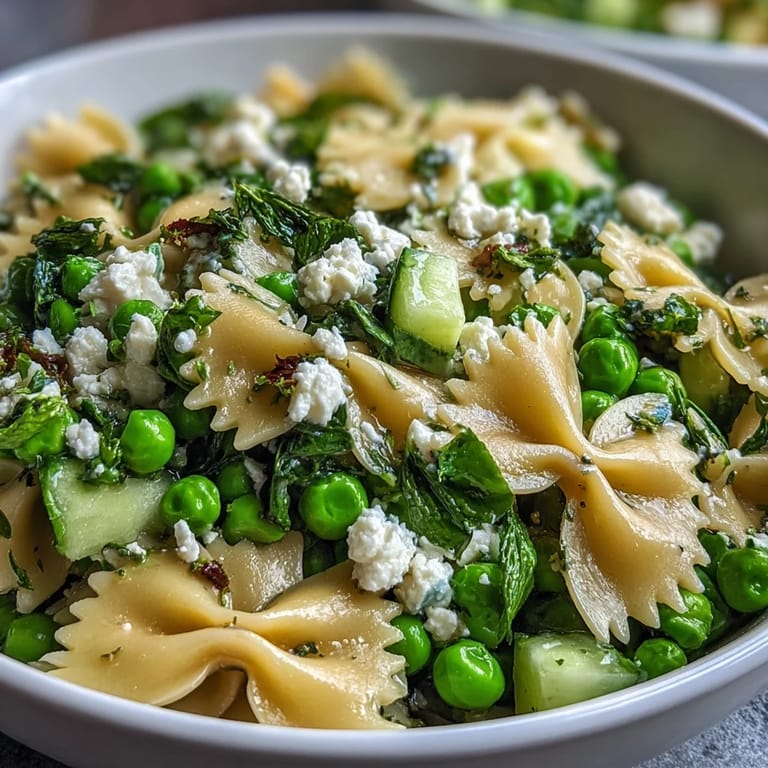
- Pasta (250 g small shapes like farfalle, orecchiette, or penne): The small shapes catch the vinaigrette better than long noodles, and they're easier to eat as a salad without feeling like you're wrestling your fork.
- Fresh or frozen peas (1 cup or 150 g): Fresh is wonderful if you have them, but frozen peas are honestly just as good and sometimes sweeter because they're picked at peak ripeness.
- Cucumber (1 small, diced): This adds crunch and keeps everything feeling light and summery, especially if you leave the skin on for color.
- Spring onions (3, thinly sliced): Don't skip these—they add a gentle sharpness that makes the whole salad taste more interesting without overpowering anything.
- Fresh mint leaves (1/3 cup or 15 g, chopped): Mint is the secret weapon here; it transforms this from a regular pasta salad into something that tastes like a garden decided to become dinner.
- Fresh flat-leaf parsley (1/4 cup or 10 g, chopped): This rounds out the herb flavor and adds earthiness that keeps the salad from tasting too bright and one-note.
- Feta cheese (50 g, crumbled, optional): The salty, tangy crumbles add texture and a bit of richness that makes you feel like you're eating something special.
- Lemon zest and juice (1 lemon): Use a microplane for the zest—it makes a real difference in how the citrus flavor distributes through the salad.
- Extra-virgin olive oil (3 tbsp): This is worth using good oil because it's the foundation of your vinaigrette and you'll actually taste it.
- Dijon mustard (1 tsp): This helps emulsify everything and adds a subtle depth that keeps the dressing from tasting thin or one-dimensional.
- Honey or maple syrup (1 tsp): Just a touch of sweetness to balance the lemon and vinegar, nothing more.
- Garlic (1 small clove, finely minced): Fresh garlic is essential here—it adds a gentle bite that ties all the bright flavors together.
- Salt and freshly ground black pepper: Taste as you go because the feta will add saltiness if you're using it, and you'll want to adjust.
Instructions
- Boil the water and cook the pasta:
- Fill a large pot with salted water and bring it to a rolling boil—it should taste like the sea. Cook your pasta until it's just tender but still has a little bite, then add the peas in the last two minutes so they warm through gently without getting mushy.
- Chill everything down:
- Drain the pasta and peas in a colander, then run cold water over them while stirring gently to stop the cooking and cool everything completely. This step is important because warm pasta will wilt your herbs and the vinaigrette won't coat as beautifully.
- Combine the vegetables and herbs:
- In a large bowl, toss together the cooled pasta and peas with the diced cucumber, sliced spring onions, chopped mint, and parsley. Keep everything moving gently so nothing gets bruised.
- Make the vinaigrette:
- In a small bowl or jar, whisk the lemon zest, lemon juice, olive oil, mustard, honey, and minced garlic together until it looks creamy and emulsified. This usually takes about thirty seconds of good whisking.
- Dress the salad:
- Pour the vinaigrette over everything and toss gently but thoroughly so every piece of pasta gets coated. Taste a bite here—this is your moment to adjust the seasoning with salt and pepper.
- Add the feta and rest:
- If you're using it, scatter the crumbled feta over top and toss very gently one more time. Let the whole thing chill in the fridge for fifteen to thirty minutes before serving so the flavors can really come together.
 Pin Recipe
 There was something magical about serving this at a gathering where people usually picked at salads—watching someone go back for thirds and say they didn't even like pasta salads made me realize that the right combination of fresh ingredients and simple technique can change someone's mind about a whole category of food. That's when cooking stops being about following rules and starts being about the small victories.
Why This Salad Feels Different
Most pasta salads sit in mayonnaise or get drowsy after a few hours, but this one stays alive because the vinaigrette is so bright and the herbs are so present that nothing gets lost. The lemon juice and mustard create an emulsion that clings to the pasta instead of pooling at the bottom, and the herbs release their oils as everything sits together, actually making it taste better after a few hours in the fridge.
Pasta Shape Matters More Than You Think
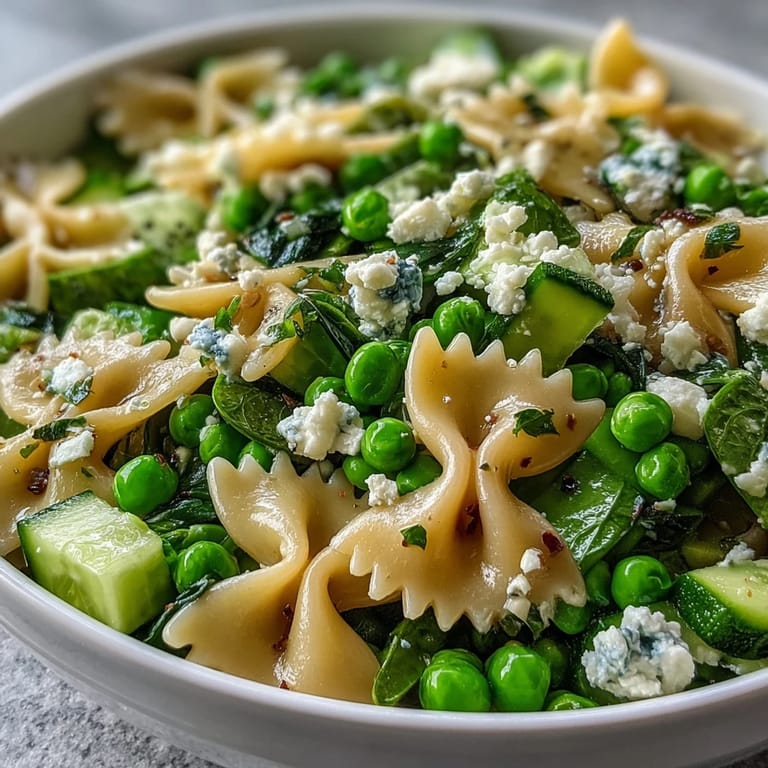
I learned this the hard way when I used spaghetti once and spent the whole meal fighting with my fork. Small, chunky shapes like farfalle, orecchiette, or even small penne are perfect because they trap the vinaigrette and hold onto the peas and vegetables so you get balanced bites. The shape also makes the salad feel intentional and restaurant-quality instead of something you threw together on a Tuesday afternoon.
Ways to Make It Your Own
The beauty of this salad is that it's flexible enough to work with what you have but structured enough that it won't fall apart. You can swap the peas for snap peas or edamame, add grilled chicken or chickpeas for protein, or use a plant-based cheese if you're vegan. The core of bright herbs, fresh vegetables, and sharp lemon vinaigrette stays the same and keeps everything balanced.
- Add a handful of arugula or mixed greens if you want it to feel more salad-like and less starch-forward.
- A handful of toasted nuts or seeds adds textural contrast that makes eating it more interesting.
- This keeps beautifully in the fridge for up to two days if you want to make it ahead for the week.
 Pin Recipe
 This salad has become the thing I reach for when I want to feel like I cooked something impressive but didn't spend hours in the kitchen, and that's exactly what good cooking should be. Make it, share it, and watch people ask for the recipe while they're still eating.
Recipe FAQs
- → Can I make this ahead of time?
Yes, this dish actually benefits from resting 15–30 minutes in the refrigerator, allowing the vinaigrette to infuse the pasta and peas with flavor. It keeps well for up to 2 days, though the herbs are brightest when fresh.
- → What pasta shapes work best?
Small shapes with curves or cups like farfalle, orecchiette, or penne catch the vinaigrette and peas beautifully. The texture holds up well without becoming mushy, even after chilling.
- → How do I prevent the pasta from absorbing all the dressing?
Rinse the cooked pasta under cold water to remove excess starch, which helps prevent the dressing from being absorbed too quickly. You can also reserve a small amount of vinaigrette to refresh just before serving.
- → Can I use frozen peas?
Absolutely. Add frozen peas directly to the boiling pasta during the last 2 minutes of cooking. They'll thaw perfectly and retain their bright green color and sweet flavor.
- → What can I add for more protein?
Grilled chicken, chickpeas, white beans, or even quinoa all work well. The feta already provides some protein, but adding legumes or poultry makes it a more substantial main dish.