 Pin Recipe
 I'll never forget the first time I arranged food in concentric rings on a platter—it was at a summer gathering when I wanted to create something that felt like edible art. My friends gathered around before I even said dinner was ready, drawn by the hypnotic pattern of colors spiraling inward. That's when I realized this dish does something special: it stops people mid-conversation and makes them pause to admire their food before tasting it. The Concentric Rings of Flavor became my go-to when I wanted to impress without spending hours in the kitchen.
I remember making this for a potluck where everyone else brought casseroles and pasta dishes. My colorful rings stood alone on the table like a piece of modern art, and it became the dish people kept coming back to, filling their plates again even though they'd already eaten. That moment taught me that food doesn't need to be complicated to be memorable—sometimes it just needs to be beautiful and honest.
What's for Dinner Tonight? 🤔
Stop stressing. Get 10 fast recipes that actually work on busy nights.
Free. No spam. Just easy meals.
Ingredients
- Fresh pineapple, 1 cup diced: Choose fruit that yields slightly to pressure—it should smell fragrant at the base. The natural sugars concentrate when pineapple is ripe, making each bite sing with tropical sweetness that balances the earthier elements in the other rings.
- Seedless watermelon, 1 cup diced: Cut away the white rind completely for a cleaner presentation. Watermelon's high water content keeps this ring refreshing and light, providing textural contrast against the creamy feta and crispy chickpeas.
- Honey, 1 tablespoon: Use raw honey if you can—it adds floral notes that enhance the fruit. This small amount is all you need to tie the sweet ring together without making it cloying.
- Lime zest, 1 teaspoon: Zest before juicing. That bright citrus oil on the surface of your grater carries flavor that a squeeze of juice alone cannot deliver, adding a subtle sharpness that makes sweetness pop.
- Cucumber, 1 cup thinly sliced: Use a mandoline if you have one—thin slices catch dressing better and look more intentional. English cucumbers work beautifully because they have fewer seeds and stay crisp longer.
- Cherry tomatoes, ½ cup halved: Halve them lengthwise so the pretty cross-section faces upward on your platter. They add visual brightness and a burst of umami that bridges the sweet and spicy rings.
- Feta cheese, ½ cup crumbled: Crumble it just before assembling so the pieces stay distinct and substantial rather than turning into paste. The salty, tangy quality is essential—it prevents the whole dish from tasting too sweet.
- Extra virgin olive oil, 2 tablespoons (savory ring) plus 2 tablespoons (spicy ring): Buy good quality oil. You can taste the difference in a raw dish like this, and it anchors all the other flavors with its subtle fruity complexity.
- Fresh mint, 1 tablespoon chopped: Add this just before serving so it stays bright green and aromatic. Mint connects the cool freshness of cucumber with the warmth of the spicy ring without your guests realizing how it guides their palate.
- Cooked chickpeas, 1 cup drained and patted dry: Use canned chickpeas but dry them thoroughly with paper towels—any moisture prevents proper crisping. This is your textural star and the reason people keep coming back for more.
- Smoked paprika, 1 teaspoon: This is where the depth comes in. Regular paprika won't give you that warm, campfire-like flavor that makes people say, 'What is that amazing spice?'
- Cayenne pepper, ½ teaspoon: Start with this amount—you can always add more, but you cannot take it back. It should warm your mouth gently, not set it on fire.
- Red chili, 1 small thinly sliced (optional): If you include it, use a fresh Thai or bird's eye chili. The visual impact of those thin red rings adds another layer of color, and the fresh heat complements the toasted spice from the paprika.
- Fresh cilantro, 1 tablespoon chopped: Cilantro tastes like fresh air tastes—it brightens and cleanses the palate between spicy bites and sweet ones, making the whole experience feel intentional.
- Lemon juice, ½ lemon: Squeeze fresh juice right over the warm chickpeas so it absorbs into the spice. This acid is crucial; it cuts through richness and prevents any heaviness.
- Salt and black pepper: Taste as you build each ring—seasoning becomes the invisible hand that makes people taste each flavor more fully.
Instructions
- Begin with the spicy foundation:
- Set a skillet over medium heat and pour in your olive oil—wait until it shimmers and almost smokes slightly. Add your chickpeas and let them sit undisturbed for a minute before stirring; this creates that crucial crispy exterior. Sprinkle in smoked paprika and cayenne, stirring constantly to coat every chickpea in spice. The kitchen fills with an intoxicating aroma, and you'll know they're ready when they've turned golden-brown and the edges look slightly wrinkled. This takes about 5–7 minutes of focused attention. Transfer them to a plate to cool, then toss with cilantro, lemon juice, and your optional chili while they're still warm enough to absorb all the flavor.
- Compose the sweet ring with care:
- In a separate bowl, combine your diced pineapple and watermelon—they should be wet and glistening. Drizzle honey over top and add your lime zest, then fold everything together gently with your hands or a soft spatula. You want the fruit to stay distinct and not bruise from aggressive mixing. Taste it; the honey should be just enough to enhance, not oversweeten. This ring needs to feel refreshing when it hits your palate, a moment of coolness between the savory and spicy journeys.
- Gather the savory middle:
- In another bowl, layer your cucumber slices with halved cherry tomatoes, crumbled feta, and fresh mint. Drizzle with extra virgin olive oil, season with salt and pepper, and mix with the lightest touch possible—think of it as arranging rather than tossing. This is the bridge between extremes, and it needs to feel balanced and intentional. Let it sit for a moment so the flavors begin to know each other, but don't let it sit so long that cucumber releases water and becomes soggy.
- Orchestrate the visual masterpiece:
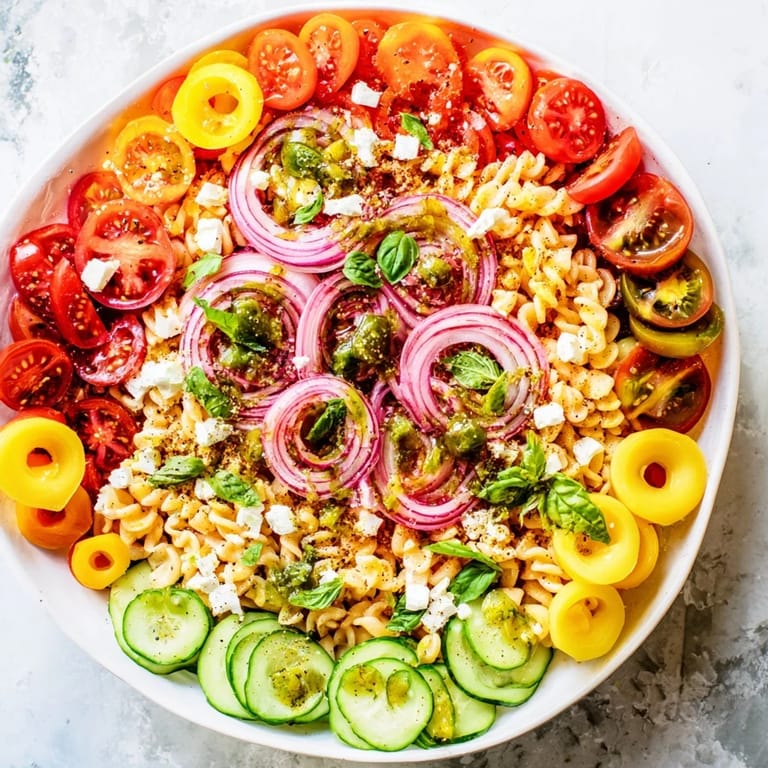
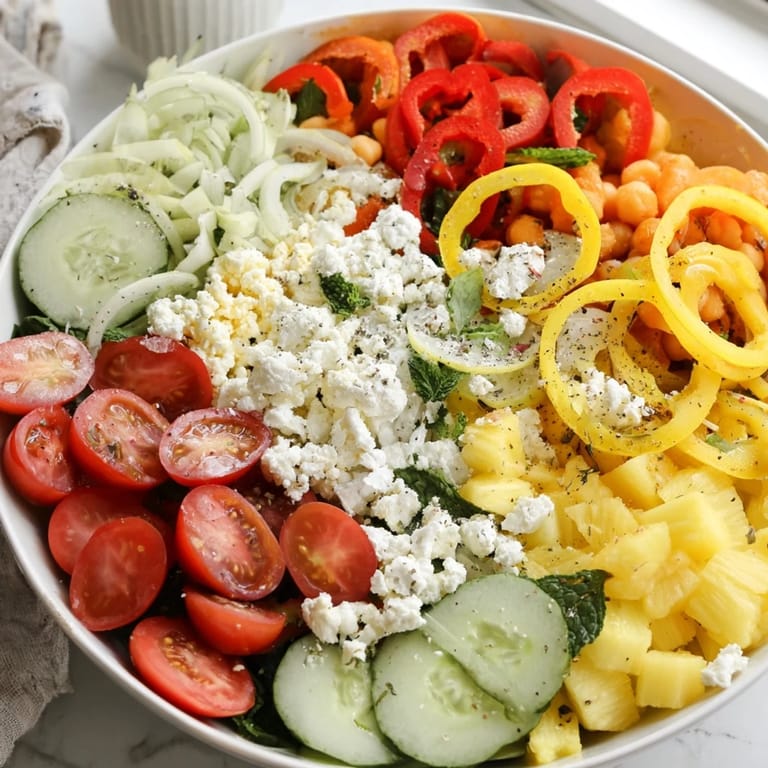
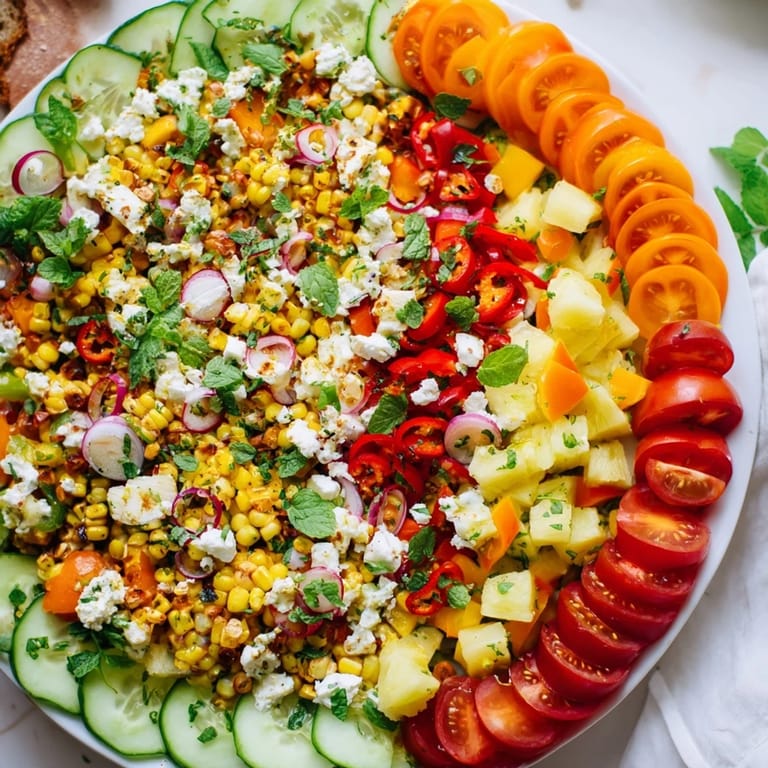
- Find your largest round platter—a white or neutral background will make colors pop like stained glass. Start from the outer edge and arrange your cooled, spiced chickpeas in a thick, even circle, leaving room inside for the next ring. Don't make it too thin or sparse; you want people to see the intention. Inside that circle, arrange your savory cucumber-tomato mixture in its own distinct ring, being precise with your placement. Finally, fill the innermost circle with your sweet fruit mixture, creating a target of color that draws the eye toward the center. Step back and admire it—this is food as art, and it should make you proud.
- The final flourish:
- Serve immediately while everything maintains its texture and temperature contrast. The warm spice of the chickpeas against the cool fruit, the creamy feta against crisp cucumber—these contrasts matter. If you must wait, keep the components separate and assemble just before serving.
 Pin Recipe
 There was an evening when my grandmother watched me arrange this dish and said, 'Now that's how you know you love cooking—when you care about how it looks to others.' She was right. Food prepared with this kind of intention tastes better because your guests feel the care in every choice, every arranged ring, every balanced flavor.
The Art of Ring Assembly
The magic of this dish lives in its geometry. When you arrange food in concentric circles, you're creating a visual rhythm that prepares people's mouths and minds for flavor. Each ring should be about 1 to 1.5 inches wide, thick enough to grab a proper bite but thin enough to remain visually distinct. The outer ring—your spicy chickpeas—should be the most textured, catching light and shadow. The middle ring needs to be clean and precise, each cucumber slice slightly overlapping to create movement. The inner ring should be a pool of bright fruit color, drawing eyes inward like the center of a flower.
Flavor Progression and Pairing
A beautiful truth about this recipe is that it teaches your palate as you eat. Start at the edge with warm spice, and with each ring you move inward, your tongue encounters cooler, fresher, brighter flavors. This progression means that each component enhances perception of the next. The spice opens your palate, the savory ring settles and balances, and the fruit cleanses and refreshes. It's like a conversation where each person speaks in turn, building meaning together. Serve this with warm flatbread or crispy tortilla chips for people who want to scoop and build their own bites, creating different flavor combinations with each handful.
Variations and Variations Within Variations
This recipe is a canvas, not a rigid instruction. I've made this with mango instead of watermelon when pineapple was out of season, and the earthier sweetness was revelatory. Strawberries work beautifully too, especially if you slice them thinly to add visual elegance. For the savory ring, try radish instead of cucumber for peppery crunch, or add halved burrata cheese instead of feta for creaminess. The spicy ring can transform with roasted chickpeas replaced by seasoned almonds or candied walnuts if you want less texture and more crunch. And if you want to feed meat-eaters without making a separate dish, add grilled chicken breast sliced thinly, or pan-seared shrimp arranged like a bonus ring between savory and sweet. For a vegan version, a cashew-based cheese crumble works beautifully in place of feta, or simply omit it and add more fresh herbs. The structure stays the same; the flavors become your signature.
- Try grilling your fruits lightly to add char and caramelization if you want warmth in the sweet ring
- Make this dish up to 2 hours ahead, keeping components separate and assembling only when serving to preserve texture and temperature contrast
- If any ring seems incomplete once plated, don't be afraid to taste and adjust seasoning right at the platter's edge before serving
 Pin Recipe
 This dish reminds me why I cook: to create moments where people slow down and truly taste, to build connections through color and flavor arranged with intention. Every time you make this, you're not just feeding people—you're giving them permission to pause and marvel at something beautiful.
Recipe FAQs
- → What ingredients create the sweet ring?
Fresh pineapple, seedless watermelon, honey, and lime zest combine to form the refreshing sweet ring.
- → How is the spicy ring prepared?
Cooked chickpeas are sautéed with smoked paprika, cayenne pepper, olive oil, and optionally red chili, then tossed with fresh cilantro and lemon juice.
- → Can this dish be adapted for vegan diets?
Yes, simply replace feta cheese with a plant-based alternative or omit it entirely.
- → What is the best way to serve the layers?
Arrange each flavored mixture in distinct concentric circles on a large round platter for a visually appealing presentation.
- → Are there any recommended ingredient substitutions?
Try mango or strawberries in the sweet ring, or add grilled chicken or shrimp to the savory layer for variation.