 Pin Recipe
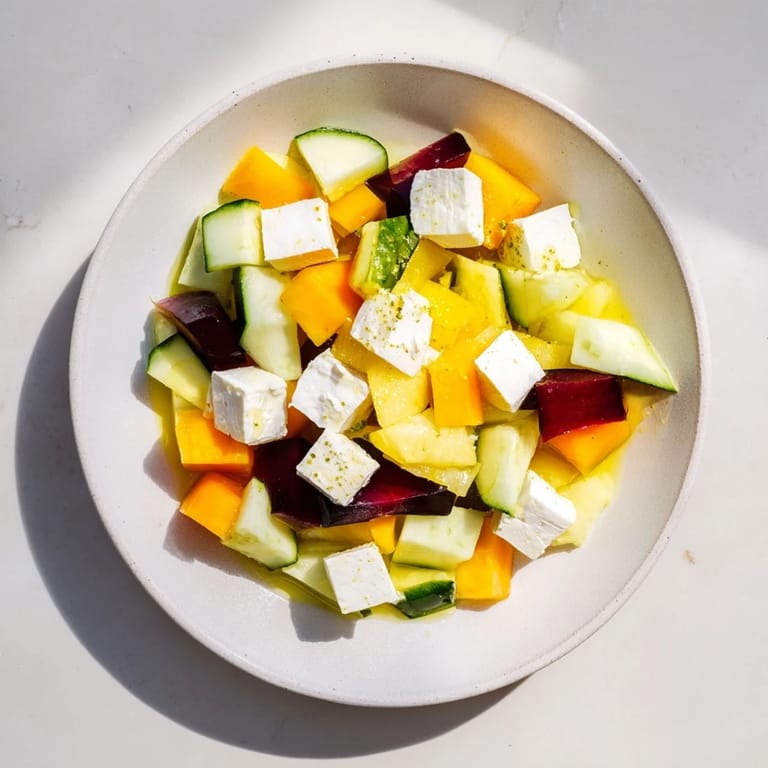
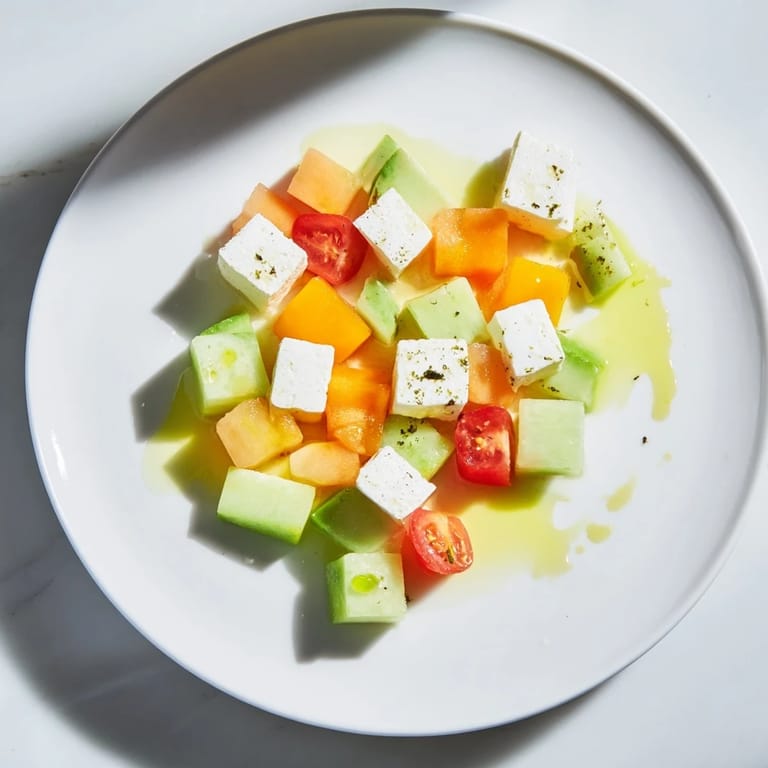
 I'll never forget the afternoon I discovered this salad at a small gallery-inspired café in Copenhagen, where the chef had arranged vegetables with such precision they looked like edible art. I was instantly mesmerized—not just by how it looked, but by the pure simplicity of it all. That evening, I went home and spent what felt like hours with a ruler and a sharp knife, learning that sometimes the most beautiful food comes from patience and intention. This Cube Geometry Study became my love letter to mindful cooking, a reminder that every slice matters.
I made this for my sister's birthday dinner when she mentioned she'd been craving something beautiful but light. When she saw it arranged on the board, she actually gasped—and then we both laughed because neither of us could bear to disturb the grid. We ended up photographing it for ten minutes before finally tasting it. That's when I knew this salad had become something more than food; it was a moment we'd both remember.
What's for Dinner Tonight? 🤔
Stop stressing. Get 10 fast recipes that actually work on busy nights.
Free. No spam. Just easy meals.
Ingredients
- Cucumber: The crisp foundation that keeps everything fresh and bright. Peeling it first removes any bitterness and gives you those perfect pale cubes. Choose a firm one—watery cucumbers will weep and ruin your geometry.
- Ripe mango: This is your sweet note, your golden moment in the grid. A truly ripe mango should yield slightly to pressure. If it's too firm, it won't cube cleanly; too soft and you'll have mush. Let it sit on the counter for a day if needed.
- Ripe avocado: The creamy luxury in every bite. Cut it right before assembling—avocado browns faster than you'd think. A sharp knife and a gentle hand make all the difference here.
- Red beet: The earthy jewel that makes this salad sing with color and depth. Roasting or boiling first softens it for clean cuts. The deep burgundy creates stunning contrast against the pale vegetables.
- Yellow bell pepper: Sweet and crisp, it adds brightness without overpowering. The uniform yellow cubes are like little suns in your grid.
- Watermelon: The surprising guest that brings unexpected sweetness and hydration. Use a ripe one with deep pink flesh. The pale cube against the darker elements of the salad is visually stunning.
- Feta cheese: Tangy and creamy, it anchors all those bright vegetables with sophistication. The white cubes create beautiful contrast. Don't skip this unless you're going vegan—it's essential.
- Extra-virgin olive oil: Your dressing's foundation. Use one you'd actually taste on its own. This matters more than you'd think.
- Lemon juice: The bright note that ties everything together and prevents browning. Fresh lemon only—bottled just won't sing the same way.
- Sea salt and black pepper: Season with intention. Freshly ground pepper makes a genuine difference in the final taste.
Instructions
- Set yourself up for success:
- Clear a good workspace and gather your knife, cutting board, and ruler if you're using one. Having everything ready means you can focus on the rhythm of cutting. There's something meditative about this preparation phase—your phone away, just you and the vegetables.
- Cut with intention:
- Start with your vegetables one by one. The cucumber first—slice it lengthwise into thin planks, then stack and cut into strips, then across into cubes. Feel the knife glide through. A dull knife will crush; a sharp one will sing. Aim for 1 cm cubes, measuring with a ruler if precision is your thing. You'll develop a sense for it after the first vegetable.
- Handle the delicate ones gently:
- When you reach the avocado and mango, slow down even more. Their soft flesh demands respect. Make your cuts decisive and clean. If you're hesitant with the knife, you'll bruise the flesh. Confidence here is everything.
- Whisk your dressing together:
- In a small bowl, combine the olive oil, lemon juice, salt, pepper, and honey if you're using it. Whisk it together until emulsified—it should look slightly creamy, not separated. This small moment of whisking is where the flavors marry into something greater than their parts.
- Arrange with love:
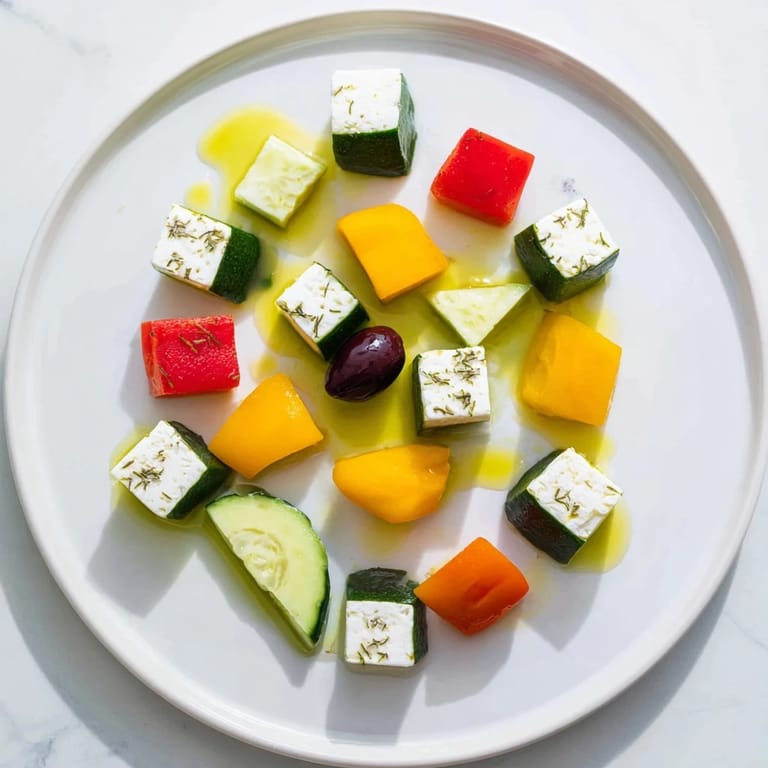
- Find a large, flat platter or board. Start laying out your cubes in a grid pattern, alternating colors so every glance reveals something new. Think of it like painting—you're creating a visual rhythm. This is where the salad becomes art. Step back, look at it, adjust. There's no rush. Let it speak to you.
- Finish and serve:
- When you're happy with your arrangement, drizzle the dressing very lightly across the cubes. You want them kissed, not drenched. Serve immediately so everything stays crisp and the geometry stays true. The moment it hits the table, you'll know it was worth every careful second.
 Pin Recipe
 What strikes me most about this salad is that it taught me patience doesn't have to feel laborious. While cutting those cubes, I found myself thinking slower thoughts, noticing how the light hit the vegetables differently as I worked. By the time I arranged them on the board, I'd already eaten half the experience just through the making of it. That's the real magic here—the salad becomes an act of care.
The Art of Uniform Cutting
Getting comfortable with uniform cuts takes practice, and honestly, your first attempt might feel clumsy. That's perfectly fine. What matters is that you're being intentional. A sharp knife makes this infinitely easier—a dull blade will require you to press hard, which crushes delicate produce. Invest in a good chef's knife if you haven't already. It'll change not just this salad, but every vegetable you ever cut. Hold the knife with confidence, let gravity do some of the work, and develop a rhythm. Before long, you'll find yourself cutting without even looking at the ruler.
Variations and Seasonal Swaps
The beauty of this formula is that it adapts to whatever's in season and whatever you're craving. In summer, swap the mango for fresh pineapple or papaya. Use heirloom tomatoes instead of watermelon for deeper, earthier days. In fall, add roasted sweet potato cubes or pomegranate seeds for jeweled color. Keep the color balance in mind—you want this to stay visually striking—but the flavors are entirely yours to play with. I've made versions with corn, radishes, carrots, and even crispy fried chickpea cubes for protein. Each one tells a different story.
Making It Your Own
This salad welcomes personalization. For vegan versions, swap the feta for press tofu cubes tossed in lemon juice and nutritional yeast, or use a quality plant-based cheese alternative. Add microgreens or edible flowers on top if you want to push the visual drama even further. Some friends have told me they've added nuts for crunch—candied walnuts or toasted almonds scattered across the grid. The key is respecting the minimalist spirit of the dish. Every addition should earn its place. This is a salad that whispers rather than shouts.
- For extra elegance, chill your platter in the freezer for 10 minutes before arranging—it keeps everything fresher longer.
- A crisp Sauvignon Blanc or sparkling water with lime is your ideal companion to this dish.
- If you're making this for a crowd, cut your vegetables ahead and store them separately—only cube the avocado and assemble right before serving.
 Pin Recipe
 Every time I make this salad, I'm reminded that food doesn't need to be complicated to be meaningful. Sometimes the most beautiful meals come from a sharp knife, a clear intention, and the willingness to slow down.